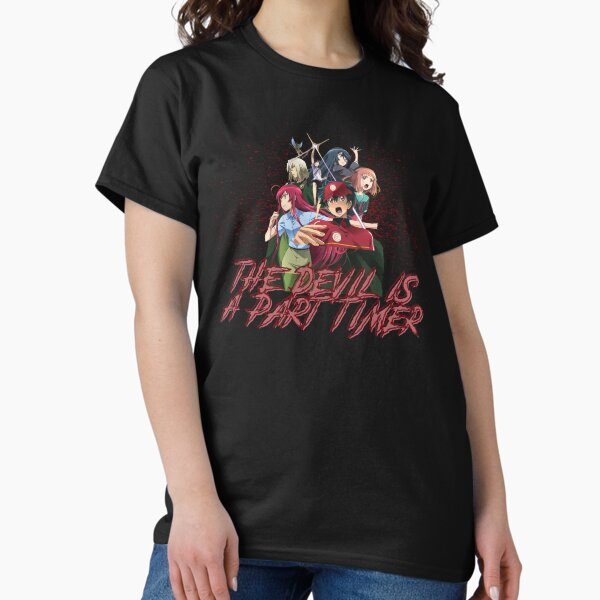
The Devil Is A Part Timer Shop: 7 Anime Secrets Fans Miss
Imagine stepping into a small, unassuming shop that serves as a portal to an alternate world where demons and angels hide behind cash registers. Fans of the hit series have been flocking to The Devil Is A Part Timer Shop, yet many still overlook the subtle clues tucked into its walls, menus, and dialogue. This article uncovers seven hidden anime secrets that even the most dedicated followers tend to miss, offering fresh insight and a deeper appreciation for the series’ clever world‑building.
1. The Shop’s Layout Mirrors the Original Demon Realm
At first glance, the cramped aisles and modest décor seem purely practical, but a closer look reveals a deliberate echo of the Demon Realm’s architecture. The placement of the backroom storage mirrors the hidden chambers of Ente Isla’s palace, complete with the same frosted glass pattern that appears in the throne room.
Fans who compare the shop’s floor plan with early episode sketches will notice that the counter’s length matches the width of the demon king’s throne. This subtle design choice creates a nostalgic bridge between the fantasy world and the everyday setting, rewarding viewers who pay attention to spatial details.
2. Menu Items Hide Easter Eggs and Character References
Every dish served at The Devil Is A Part Timer Shop is more than a tasty treat—it’s a nod to a specific episode or character trait. The “Celestial Pancake” is a clear tribute to the angelic characters, while the “Spicy Inferno Curry” hints at the protagonist’s fiery demonic heritage.
Even the side orders carry meaning. The “Mysterious Milkshake” features a swirl that resembles the vortex that once transported the demon lord to Earth. These culinary clues serve as playful reminders of the series’ origins and keep fans engaged with the narrative long after they finish their meal.
3. The Devil Is A Part Timer Shop – Voice Actor Cameos You Might Have Missed
Beyond visual references, the shop is peppered with audio Easter eggs. In several background conversations, the voice actors for supporting characters whisper lines from their original roles, creating a layered listening experience for attentive fans.
One notable instance occurs when the cashier’s friend orders a “special blend”—the line is delivered in the exact cadence of a famous villain’s monologue from a different anime, linking the two worlds through a shared vocal performance.
4. Hidden Fan Theories About the Counter’s Symbol
The countertop bears an intricate emblem that many assume is simply decorative, but it actually functions as a clue to the shop’s deeper significance. The symbol combines elements of both the demon’s sigil and a human calendar, suggesting that the shop exists at a temporal crossroads.
Some theorists argue that this positioning allows the shop to act as a nexus where souls from both realms can interact safely. This idea aligns with later episodes where characters experience time anomalies while inside the shop, reinforcing the theory that the counter is more than a piece of furniture—it’s a plot device that ties together the series’ supernatural rules.
Conclusion
While The Devil Is A Part Timer Shop may initially appear as a simple backdrop for comedic antics, it hides a wealth of details that enrich the story for observant viewers. From architectural parallels and menu mysteries to hidden voice actor nods and symbolic theories, each secret adds depth to the universe and encourages fans to explore beyond the surface.
Next time you visit the shop—whether virtually in the anime or in a real‑world tribute—take a moment to look closely. You might just uncover another layer of meaning that transforms an ordinary scene into a captivating piece of the larger puzzle.